

It is possible to install the cat flap inside a door panel made of upvc, or a double glazing glass sealed unit but the best solution is to have a new glass pane that has a premade hole installed.
Follow the instructions provided with the kit. Make sure the shape you've drawn (be it a square or circle) is accurately depicted on the template.
Safety
If you have a cat or dog and want to let them in the garden without leaving the door open, a microchip activated pet flap on your door's upvc panel is a great option. This will only allow your pet to access the area while preventing other pets and insects from entering. It also stops burglars from gaining access to your door by locking them out. This kind of security feature is vital for families with young children, elderly, or live in an area susceptible to burglary.
Fitting a cat door into a solid uPVC is a easy task that can be completed by anyone with basic DIY skills and experience using tools. You can use a jigsaw to make the hole you need however it is essential to ensure that the flap is large enough for your pet, and that it is set at the correct height from both the outside and inside of the home.
If your door is made from a composite material it is advisable to talk with the manufacturer before making any changes in order to avoid invalidating the warranty. Some composite doors have raised decorative elements that are difficult to cut, and special provisions may need to be made where the protrusions are. After cutting the timber, it is a good idea to allow the exposed portions to be sealed with a weatherproof sealant. This will help keep rainwater and moisture from soaking into the wood, causing decay.
It is more difficult to install the cat flap on double-glazed glass doors because the glass unit will have to be put in place, which can be expensive. It is possible to replace the glass with the uPVC panel. It's cheaper to replace the glass panel instead of the entire door and you can use the original uPVC frames. The new panel can be made to fit the cat flap or dog flap. This is particularly useful for customers who do not want to make a permanent hole on their door or wall.
Convenience
Installing a cat flap on your door allows your cat to come in and out as they like. This is a great way to safeguard your cat from unwanted invaders or other nuisance animals who might visit your home. But, it is important to keep in mind that the cat flap should be used under supervision and should be kept locked at all times. This will prevent the cat from getting away, becoming lost and to keep out robbers and other unwanted visitors.
There are many cat flaps. The most basic one is the swinging doors that are two-way. They can be opened by a push in either direction, and are usually cheap. They aren't the most secure however, and may also allow stray cats and other animals to enter your home. To ensure your home is secure look into purchasing a microchip activated pet flap that opens only to the frequency of your cat's collar.
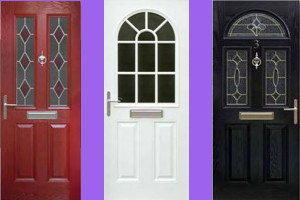
Installing a upvc cat flap is an easy task that requires patience as well as some expertise. The first step is to determine the flat area of the door that you would like to place the cat flap. Once you have the measurements, you will be able to purchase an appropriate cat flap that fits comfortably in the area.
You can also get the cat flap installed in the upvc at the time of manufacture. This is the most secure option as it prevents an accident and can save money in the end. If you choose to do this, then it is a good idea to consult with the manufacturer of the door prior to making your decision.
Next, you need to mark the center of the upvc panel that you would like to place the flap using either a pencil or a piece of chalk. Then, you can use the template drawing that should be included with the cat flap kit to locate the place where the cut piece will be placed on your door. Once you have located it, make sure that the edges of the cut section are over the marks you made. Make use of the correct size drill to make the holes.
Energy efficiency
When it comes to making your home energy efficient the doors you choose to use are one of the most crucial elements. If your doors are not properly sealed, you may lose a lot heat in the winter or let hot air escape in the summer. A upvc door with cat flap can help keep these drafts out and save you money on your heating bills all year long.
As opposed to traditional doors made from wood or steel, uPVC doors are designed to be energy efficient. They are insulated to keep the temperature in your home stable and don't need any maintenance. They are easy to replace and repair if damaged. This makes them a cost-effective choice for your home.
It is important to do it right if you want to install a cat flap on your upvc doors. The right design will allow your pet to exit and enter in a safe manner, with no leaks or gaps. It's also important to choose an appropriate location for the flap, since it will be exposed to the elements.
To begin, you have to measure the height of your pet's belly at their belly and mark a line on the upvc door where you want the flap to be put in. You should then carefully cut around this line using an jigsaw. Be careful not to take away too much as this could damage the structure of the door or cause other problems.
Install the cat flap once you have the correct size hole in the Upvc panel. This is best done with the help of a kit that includes a paper template along with drill guides. You'll need to be reasonably proficient with tools, since you'll be cutting into the upvc and might damage it If you're not careful.
You should also examine the flap's fitting to ensure that it's secure and that the flap is able to be closed and locked from the inside by using the key. You may have to do this a few times, and you must be sure that the flap is lined up with the seal on the upvc frame to ensure that there aren't gaps between it and the door made of upvc.
Security
A cat flap lets cats to go out and enjoy the fresh air, without waiting for you to let them in. It also helps keep away unwanted animals. If you're worried about the security of your home, consider installing a cat flap that allows in authorised animals. This is achievable with a uPVC door panel that has an integrated pet flap with a microchip. The microchip is programmed so that it will only allow in animals with the correct identification tag. This keeps animals and pests, as well as other animals from entering your home.
If you're considering installing a cat flap, you need to plan ahead and think about the kind of flap, its location, and height from inside and outside the home. If you can, try to plan this out during the construction of the door. However, if this is not feasible, you can ask for professional assistance.
It's not as straightforward to put in a cat flap as it is with a solid wooden door however, you can accomplish it. It is important to ensure that the flap is large enough for your pet and that the hole in the door is wide enough to accommodate the cat flap. It's also a good idea to test the flap before you install it to ensure it's functioning properly.
Once you've got the hole cut after you have the hole cut, use a piece of coarse sandpaper and smooth the edges of the passage. This will assist in removing any additional material that could cause the flap to not fully close. To avoid gaps it is important to remove material slowly and cautiously.
While installing cat flap cover for winter RepairMyWindowsAndDoors on a uPVC door panel is relatively simple, it's something that should be left to a professional. If you decide to tackle it yourself, be sure to follow the instructions of the manufacturer and have all the tools you need before you begin. Using a drill to cut toughened glass increases the risk of it shattering and causing damage, so it's better to leave this job to a glass glazier.